



Buhari Abba
Residents of Daliya, a rural community in Gwaram Local Government Area of Jigawa State, say poor infrastructure has left them cut off from schools, clean water, and healthcare, with pregnant women dying on the way to Sara Primary Health Care Centre, 15 kilometers away.
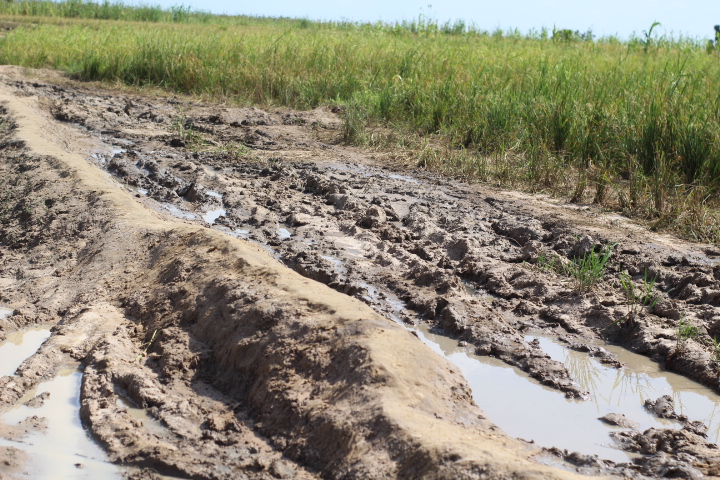
Governor Malam Umar Namadi has announced a 12-point agenda prioritizing education, healthcare, agriculture, infrastructure, and job creation, pledging to improve roads, electrification, and water supply. But villagers in Daliya say promises have not reached them.
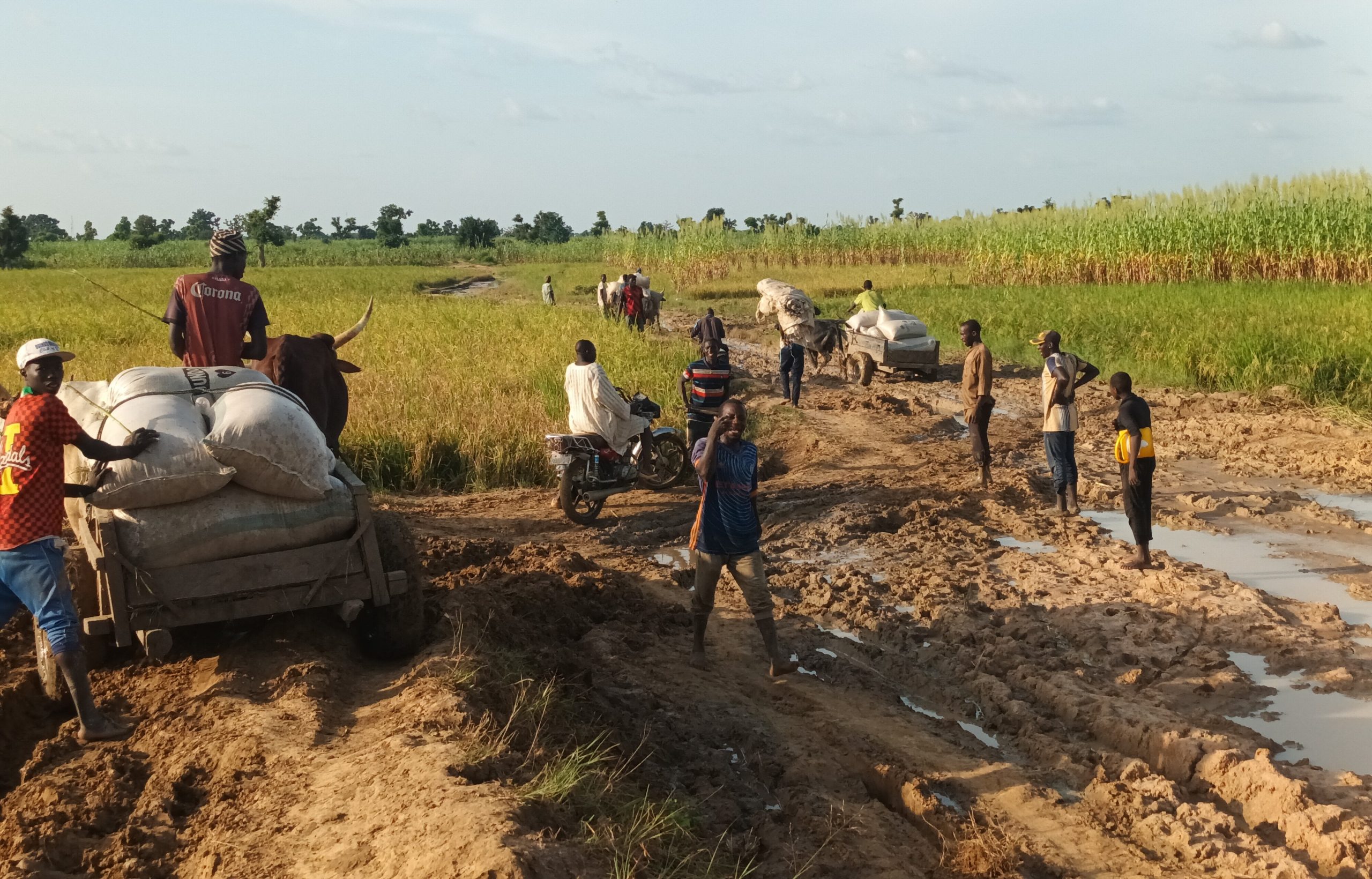
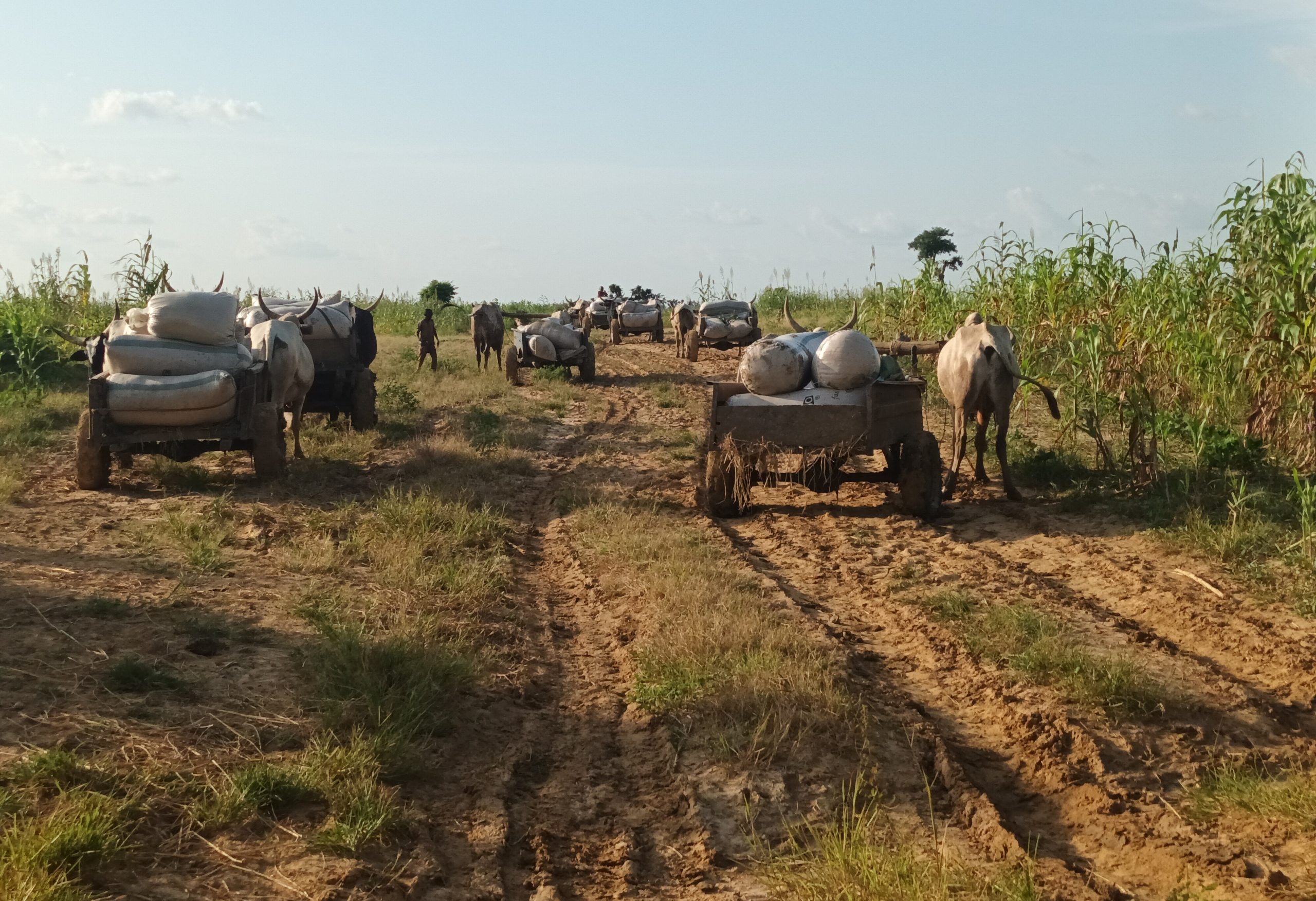
“In the rainy season, the road through Daliya is only suitable for bullock carts,” said village head Muhammadu Sani Rabi’u, who lives in a mud house with a thatched roof. “They are our only means of transporting farm produce, the sick, and pregnant women to Sara. Despite our repeated pleas, the government has refused to build a road or a primary school.”
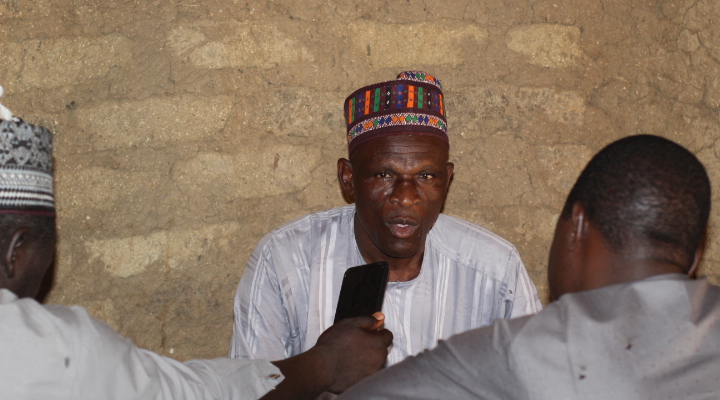
Chief imam Malam Muktari Musa said residents face multiple challenges. “A bike ride to Sara costs ₦3,000. Our children are not going to school, and pregnant women die on their way to the hospital due to the poor road network,” he said. “We rely on a nearby stream often contaminated by cattle waste. The water is untreated, but we have no other option.”
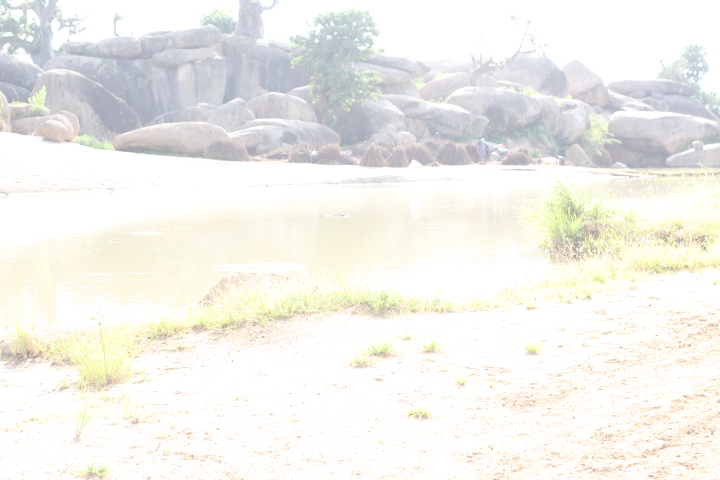
Musa said government officials are only seen during election campaigns. “They make empty promises and disappear,” he added.
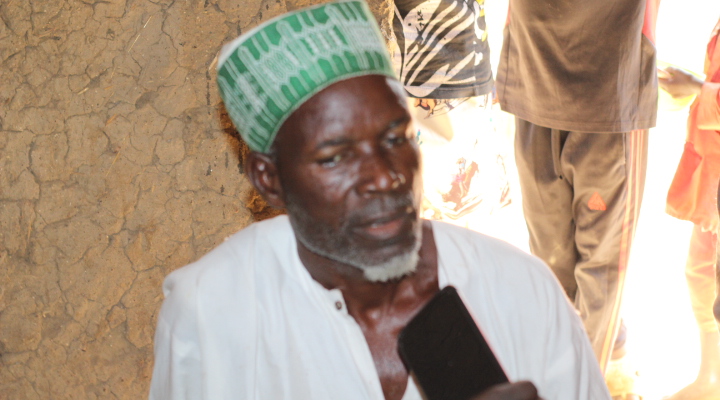
Malam Mukhtari Musa, Chief Imam of the Daliya Community
Youth leader Mukhtar Muhammad warned that frustration could translate into political consequences. “We cannot continue like this, hearing about the government only on the radio. If things don’t change, we may be forced to withhold our votes in future elections,” he said.
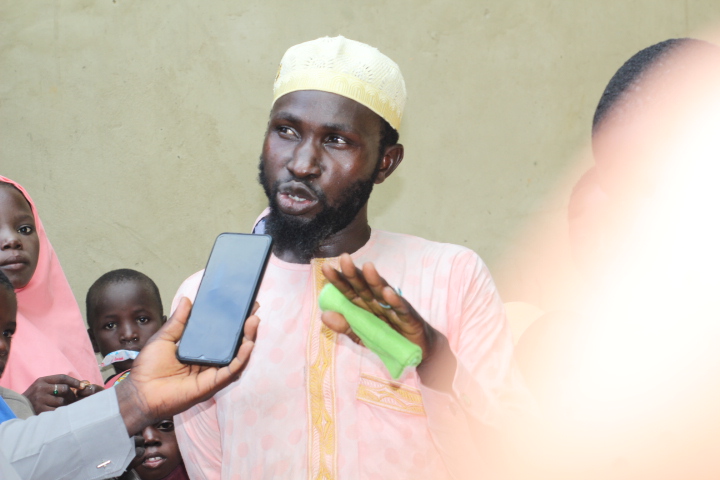
Agriculture, the mainstay of the village, is also under pressure. “We grow rice, guinea corn, beans, and vegetables in the Fadama areas, but poor roads force us to sell cheaply to middlemen,” said 40-year-old farmer Mohammed Bara’u. “We still use traditional farming methods. If the government could organize us into cooperatives and support us with loans, fertilizers, and mechanized farming, we could boost our yields and economy.”
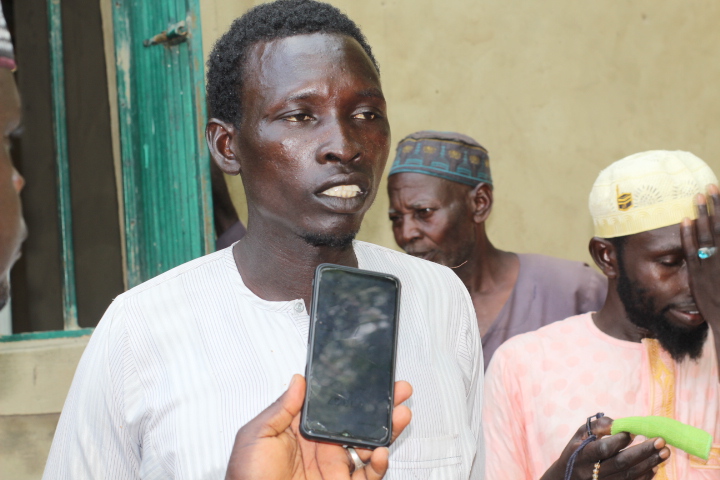
Residents also highlighted the impact on education and gender equality. Bara’u said lack of schools has left most women uneducated and confined to housework. “This reduces family income and exposes girls to exploitation,” he said.
For some, the consequences have been personal tragedies. “I lost my mother and father on separate occasions while trying to get them to the hospital in Sara. The road is terrible,” said resident Shaya’u Musa.
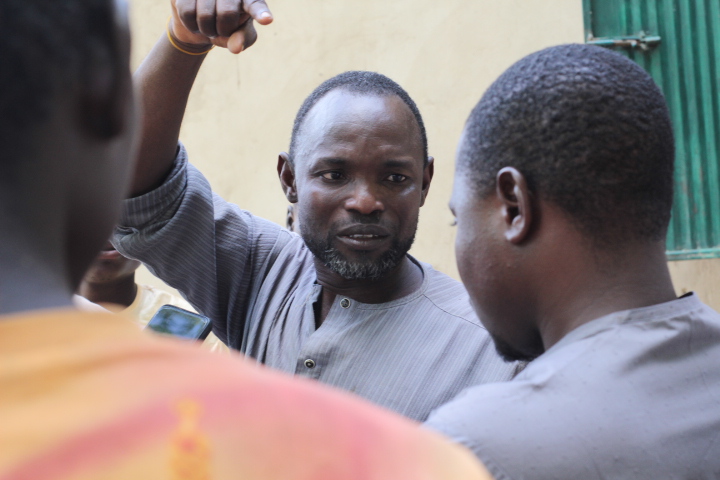
The community of more than 500 households continues to appeal for roads, schools, and healthcare. Their calls come as Governor Namadi’s administration approved more than ₦222.7 billion for 738.9 kilometers of new road projects across Jigawa.
“We are urging Gwaram Local Government and the Jigawa State Government to build roads, a primary school, and healthcare facilities for the benefit of our people,” said village head Rabi’u.
