



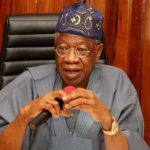
For decades in Kano politics, the name Rabiu Musa Kwankwaso carried the weight of authority. He was not just a former governor or senator; he was the centre of gravity, the ultimate decider, the political landlord whose word shaped careers and determined fortunes. Loyalty to him was not optional; it was the price of relevance. Today, however, that long-standing order is wobbling, and the red cap no longer commands unquestioned obedience.
The growing rift between Senator Kwankwaso and Governor Abba Kabir Yusuf is more than a personal disagreement. It is the dramatic unravelling of one of Kano’s most enduring political relationships — a bond many believed would survive ambition, power and time itself. What we are witnessing is a political divorce long in the making, born of competing interests and the simple truth that loyalty has an expiry date.
Their story did not begin in politics. In the 1980s, Kwankwaso and Yusuf were colleagues, both civil engineers at the Water Resources and Engineering Construction Agency. When Kwankwaso decided to abandon civil service for politics, Yusuf followed without hesitation. From that moment, his political identity became inseparable from his mentor’s shadow. He was not just a supporter; he was the loyal aide, famously nicknamed “Abba PA,” a title that captured his role as the dependable subordinate who asked few questions and carried out instructions faithfully.
During Kwankwaso’s first stint as governor between 1999 and 2003, Yusuf served as his personal assistant. When Kwankwaso moved to Abuja as Minister of Defence, Yusuf moved with him. When Kwankwaso returned as governor in 2011, Yusuf was again at his side, first as Principal Private Secretary and later as Commissioner for Works — positions that placed him deep inside the machinery of power.
By the time Kwankwaso left office in 2015, Yusuf was no longer just a loyalist. He had become family, bound by marriage, shared sacrifices and years of political struggle. It was therefore no surprise when Kwankwaso handpicked him as the Kwankwasiyya governorship candidate in 2019 and again in 2023. When Yusuf eventually won, many in Kano assumed nothing had really changed — that power still resided elsewhere and that the new governor was merely holding the fort.
But power changes people. Once tasted directly, it is rarely surrendered willingly. Governor Yusuf, having spent years climbing the ladder as a subordinate, appears unwilling to continue as a political tenant in a house he now legally occupies. Orders that once flowed effortlessly from Africa House are now being questioned. Influence is being tested. Loyalty is being renegotiated.
For Kwankwaso, this moment must be deeply unsettling. There is nothing more intoxicating than power exercised from behind the curtain — and nothing more painful than watching it slip away. Nigerian political history is filled with godfathers who seemed invincible until the day their protégés discovered their own authority. Godfatherism thrives on the illusion that loyalty is permanent and obedience eternal, an illusion that reality almost always shatters.
The Kwankwasiyya movement itself is not immune to this reckoning. Beneath the chants and symbolism are political actors who understand survival. Many were loyal not to ideology, but to access. As power shifts, so too does allegiance. The cult-like aura that once surrounded Kwankwaso is thinning, exposing a movement held together more by convenience than conviction.
Things are clearly falling apart. Like the proverbial ganga drum whose rhythm once delighted the crowd but is now discarded, Kwankwaso risks becoming expendable to those who once celebrated him. Perhaps, in quieter moments, he reflects on the cost of excessive control — on whether allowing his protégé genuine autonomy might have preserved both influence and legacy.
As the Hausa saying goes, “da na sani keya ce” — regret comes only after the damage is done.
Still, this is not a story without human tragedy. There is something painful about building a political empire with sweat and sacrifice, only to watch it slip from one’s grasp. Yet, sympathy cannot erase the long-term damage caused by a system that prioritises personal control over strong institutions. What Kano is experiencing is not just a clash of egos, but the predictable consequence of politics built on godfatherism rather than governance.
This is a defining moment for both men: a godfather confronting the limits of his power and a godson struggling to step out of a long, imposing shadow. But the greatest danger is not to either man’s reputation. It is to Kano State itself. When personal battles dominate the political space, governance suffers — and the people always pay the price.
As events continue to unfold, one lesson stands out with brutal clarity: in politics, no loyalty lasts forever, no power is permanent, and no godfather is immune to irrelevance.
Garba Kankarofi writes from Kano
The opinions expressed by contributors are solely their own and do not reflect the views of Kano Times.
