
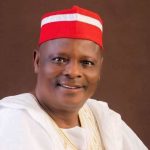
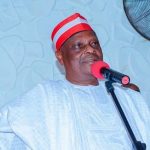
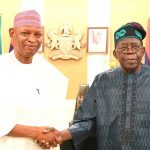

Indications have emerged that several commissioners in Kano State may resign their appointments following plans by Governor Abba Kabir Yusuf to defect from the New Nigeria People’s Party (NNPP) to the All Progressives Congress (APC).
Multiple sources told Kano Times that the anticipated resignations are linked to widening political disagreements within the State Executive Council, particularly between loyalists of NNPP leader, Senator Rabiu Musa Kwankwaso, and supporters of the governor’s planned defection.
A senior government official, who spoke on condition of anonymity, said the cabinet had become sharply divided into opposing camps, making the continued stay of some commissioners “politically untenable.”
“This government has effectively split into two hostile blocs. Some commissioners believe they cannot remain in office under a platform different from the one on which they were appointed,” the source said.
Kano Times gathered that although no formal resignation letters have been submitted, some commissioners are expected to step aside either shortly before or immediately after the governor formally announces his defection.
Governor Yusuf has not officially confirmed his move to the APC. However, sources close to the Government House and ranking members of the Kano State House of Assembly said the decision has already been taken, citing prolonged legal battles, internal party disputes, and what they described as external interference in governance.
Reports further indicate that several senior government officials have reaffirmed their loyalty to the NNPP leadership and may not follow the governor to the APC.
Those said to have rejected the planned defection include the Commissioner for Science and Technology, Alhaji Yusuf Kofar-Mata; Commissioner for Youth and Sports, Mustapha Rabi’u Musa Kwankwaso; Commissioner for Humanitarian Affairs, Alhaji Adamu Aliyu Kibiya; Commissioner for Internal Security, AVM Ibrahim Umar (rtd.); and Commissioner for Mineral Resources, Alhaji Hamza Kachako.
Other officials reportedly aligned with the NNPP leadership include the Head of Service, Alhaji Abdullahi Musa; the Executive Secretary of the Kano State Scholarship Board, Alhaji Musa Danzaki; and the Managing Director of the Kwari Textile Market, Alhaji Hamisu Dogonnama.
A political source familiar with the developments told Kano Times that discussions were ongoing among the affected commissioners regarding the timing and manner of their exit.
“Once one or two commissioners resign, others are expected to follow. Many are already making quiet preparations,” the source said.
The political crisis has also spread to the National Assembly and the Kano State House of Assembly, with some federal and state lawmakers reportedly aligning with the NNPP leadership, while others have pledged support for the governor’s planned move.
Despite the internal divisions, sources said Governor Yusuf still enjoys the backing of a majority of NNPP lawmakers at both the state and federal levels, as well as most local government chairpersons and party executives at the ward level.
Supporters of the governor argue that the proposed defection is intended to strengthen governance and free the administration from what they describe as excessive political control.
However, loyalists of the NNPP leadership have condemned the move, describing it as a betrayal of the political structure that brought the governor to power.
Kano Times reports that the planned defection, initially expected earlier in January, was delayed amid concerns over possible mass resignations within the cabinet and the need to carefully manage the political fallout.
Meanwhile, the Kano State House of Assembly on Friday officially endorsed Governor Abba Kabir Yusuf’s planned defection from the NNPP, citing unresolved leadership crises and ongoing court cases that could jeopardise the governor’s mandate.
Justifying the move, the House Majority Leader, Lawan Hussaini, said remaining in the NNPP posed significant risks to the governor and other elected officials due to “factional disputes and multiple litigations.”
Speaking to reporters, Hussaini warned that the party’s internal conflicts could lead to a repeat of the Zamfara State scenario, where the Supreme Court ruled that the APC had no valid candidates, resulting in the loss of the governorship and legislative seats.
“The NNPP is currently plagued by factional leadership disputes and multiple litigations, creating uncertainty over the validity of its structure and nominations ahead of future elections.
“There is an existing court judgment that recognises a particular faction of the NNPP. Therefore, we cannot continue to remain in the party and risk a repeat of the legal disaster that happened in Zamfara State,” Hussaini said.
