

The return of the former National Chairman of the All Progressives Congress (APC) and ex-Governor of Kano State, Abdullahi Ganduje, has heightened defection talks and intensified high-stakes political negotiations in Kano, as manoeuvrings surrounding the possible entry of Governor Abba Kabir Yusuf into the APC and the emerging influence of former Speaker Kabiru Alhassan Rurum continue to reshape the state’s power equation.
Ganduje arrived at the Murtala Muhammed International Airport, Lagos, on Saturday at about 4:30 p.m. aboard an Emirates Airlines flight after weeks of vacation in Dubai, United Arab Emirates, and was expected to proceed to Abuja later the same day.
In a statement signed by his Chief of Staff, Muhammad Garba, the former APC chairman said Ganduje would begin a series of consultations with party leaders and key stakeholders over political developments in Kano State.
According to the statement, the engagements are aimed at reviewing the evolving political landscape, strengthening internal party cohesion and promoting inclusive dialogue among stakeholders.
Garba added that Ganduje would also participate in the APC’s ongoing nationwide electronic membership registration exercise, a reform introduced during his tenure to modernise the party’s database.
“The initiative was designed to enhance internal planning and ensure that the party’s membership records are comprehensive, credible and easily accessible,” the statement said.
Ganduje’s return comes amid intensified political activities in Kano, following reported moves by Governor Yusuf to defect from the New Nigeria Peoples Party (NNPP) to the ruling APC.
According to Daily Nigeria report, the governor recently held a late-night meeting with his political mentor and leader of the Kwankwasiyya movement, Rabiu Musa Kwankwaso, at his Miller Road residence in Kano, in what was described as a last-minute effort to persuade him to align with the APC.
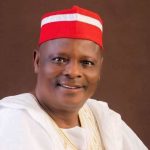
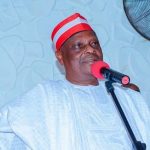
However, the meeting was said not to have produced the desired outcome, as Kwankwaso publicly dismissed defection rumours while addressing supporters at his residence.
“Betrayal is not good. Everybody knows how that party is losing the sympathy of the people, especially with regard to insecurity and the economy,” Kwankwaso said.
“People used to say everyone has a price tag. If you are looking for who has no price tag, come to Rabiu Kwankwaso.”
Despite this, party insiders said APC leaders were closely monitoring developments, noting that while some NNPP lawmakers, local government chairmen and political appointees had defected, many Kwankwasiyya supporters remained loyal to Kwankwaso.
Sources further disclosed that President Bola Tinubu was still keen on bringing Kwankwaso into the APC, a factor said to be driving renewed engagements and high-level consultations.
Meanwhile, the return of top APC figures to the country — including Ganduje, Deputy Senate President Barau Jibrin, APC state chairman Abdullahi Abbas, Nasiru Gawuna and Murtala Garo — has fuelled speculation over imminent political announcements in Kano.
Political insiders said Governor Yusuf was finalising plans to defect to the APC, a move expected to significantly alter the state’s political landscape and impact the composition of the executive.
According to sources, part of the negotiations involves the office of the deputy governor, with former Speaker of the Kano State House of Assembly and current House of Representatives member, Kabiru Alhassan Rurum, being considered as a possible replacement.
They said the consideration of Rurum was influenced by zoning calculations favouring Kano South Senatorial District, as well as his support base among serving state and federal lawmakers.
“Rurum enjoys strong grassroots support, wide acceptability and an inclusive political style that could help stabilise the party ahead of the 2027 elections,” one of the sources said.
However, the sources noted that some key political figures, including Deputy Governor Aminu Abdulsalam Gwarzo, Senator Rufai Sani Hanga and some commissioners, were expected to remain in the NNPP and tender their resignations immediately after Gov. Yusuf’s defection, highlighting the complexity of the unfolding realignment.
As consultations deepen, Kano remains on edge, with political actors awaiting decisions that could redefine alliances and electoral calculations in the state.
