



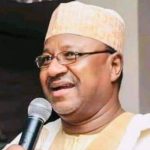

The New Nigeria Peoples Party (NNPP) has condemned the defection of Governor Abba Kabir Yusuf from the party, describing it as a betrayal of the mandate given to him by the people of Kano State.
In a statement issued on Friday, the NNPP national publicity secretary, Ladipo Johnson, said Yusuf was elected on the strength of his long association with the Kwankwasiyya Movement and the trust of Kano voters.
Johnson rejected the governor’s claim that his resignation was caused by an irredeemable crisis within the party, describing the allegation as “baseless” and an afterthought.
“It is with profound anguish and deep disappointment that we received the news of the resignation and defection of His Excellency, Alhaji Abba Kabir Yusuf, from the New Nigeria Peoples Party (NNPP),” the statement reads.
“We deeply regret that Governor Abba, a man entrusted by the people of Kano State on the strength of his decades of unwavering loyalty and dedicated service to the Kwankwasiyya Movement, has now chosen to betray that sacred trust.
“By this action, he risks returning the state to the very forces that have long opposed its progress and the aspirations of its people.”
The publicity secretary compared the defection to a similar political event in Kano in the early 1980s when former governor Abubakar Rimi left the People’s Redemption Party (PRP) for the Nigerian People’s Party (NPP).
He recalled that despite Rimi’s defection along with most elected officials in the state, voters rejected the move in the 1983 elections, resulting in his defeat by Aliyu Zuwo of the PRP.
Johnson added that only one out of the 120 state assembly members who defected with Rimi was re-elected.
While describing Yusuf’s defection as painful, the NNPP spokesperson urged Kano residents and party supporters to remain calm and avoid actions that could lead to division or unrest.
He stressed that history has shown that political disloyalty is ultimately judged by the electorate, adding that the NNPP remains confident in the enduring loyalty of Kano’s people to principled leadership.
