
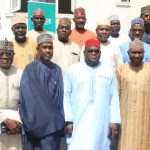
Former Presidential Candidate and leader of the New Nigeria Peoples Party (NNPP), Senator Rabiu Musa Kwankwaso, has said he is convinced that Kano State Governor, Abba Kabir Yusuf, and his close allies will eventually regret leaving the party.
Kwankwaso described the governor’s defection as a surprise to many, adding that even he initially found it hard to believe.
“Many people I spoke to felt it was some kind of arrangement—between him and me, or between him and others. Even I often find it hard to believe that things are unfolding the way they are,” Kwankwaso said.
Governor Yusuf officially defected to the All Progressives Congress (APC) on Monday, January 26, 2026, after resigning from the NNPP on Friday, January 23, less than three years after winning the Kano governorship under the party’s platform.
Speaking during the defection event, Governor Yusuf said his decision was based on an assessment of the direction of Nigerian politics and the need to align with a path he believes would bring development to Kano State. He added that he consulted political associates and other stakeholders before making the move.
However, in his first media interview since Governor Yusuf’s exit, Kwankwaso told the BBC he was deeply disappointed that the governor “handed over the mandate of the NNPP members and the people of Kano to the Gandujiyya political camp” without strong justification.
“When I lie down, I reflect and ask myself: what really happened? Who was at fault? Was it me? Was it the party? Were party members at fault? But I have not been able to find an answer,” Kwankwaso said.
He added that the issues raised by Governor Yusuf, either personally or through others, could have been resolved through dialogue and cooperation. Kwankwaso dismissed claims of internal crises within the NNPP, insisting no political party is completely free of grievances.
“I can assure you, to the best of my knowledge, there is no party more peaceful and stable than the NNPP. And if there is any, let them hold their national convention and candidate selection processes, then you will see disputes,” he said.
Kwankwaso also addressed those who have left the NNPP but still claim allegiance to the Kwankwasiyya ideology, describing it as a clear choice between “light and darkness.”
“Light and darkness have already been defined in Kano. If you want to practice Kwankwasiyya, who asked you to leave Kwankwasiyya? Stay where Kwankwasiyya is and practice it there,” he said.
He further commented on the manner in which former Kano State Governor, Abdullahi Umar Ganduje, received Governor Yusuf into the APC, noting it was a sign that Yusuf had “already lost the election.”
“If Ganduje truly had the power to raise someone’s hand to victory, he would have done so in 2019. If he had that power, he would have done so in 2023,” Kwankwaso said.
The NNPP leader expressed confidence that Governor Yusuf and his associates would face serious political challenges in the APC, adding: “Even if he does not return, he will regret it.”
On the future of the Kwankwasiyya movement, Kwankwaso said Kano still belongs to the NNPP, noting that efforts to build alliances aimed at rescuing Nigeria from its current situation have already begun.
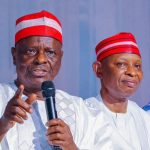
Kwankwaso, widely regarded as one of northern Nigeria’s most influential politicians, has maintained a strong appeal among young people. Observers note that since the era of Malam Aminu Kano, no other northern politician has built a named political ideology with such a loyal mass following. His followers are known for their distinctive red caps.
After completing his tenure as governor, Kwankwaso initially supported his deputy, Abdullahi Umar Ganduje, as his successor. However, a fallout led him to field Abba Kabir Yusuf against Ganduje during the 2019 governorship election, which Yusuf lost following a controversial supplementary election in Gama Local Government Area.
Kwankwaso again sponsored Yusuf in the subsequent election, where he defeated Ganduje’s candidate, Nasiru Yusuf Gawuna, to become Kano State governor.
