



The Federal Government has disclosed that it has accessed and disbursed over N140 billion in grants from the Universal Basic Education Commission (UBEC) to state governments since the inception of the current administration.
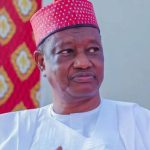
Minister of Education, Tunji Alausa, made this known on Tuesday during a CEO breakfast meeting with private sector leaders and development partners under the Global Partnership for Education (GPE) in Lagos.
UBEC, the agency responsible for coordinating Nigeria’s basic education programme, is funded through two percent of the Consolidated Revenue Fund.
However, a significant portion of the funds has remained unutilised due to the inability of some states to provide the required counterpart funding to access the grants.
This development, Daily Post reports, has continued to contribute to funding challenges affecting the delivery of quality education in public schools across the country.
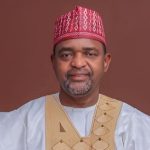
Speaking at the event, the Executive Secretary of UBEC, Aisha Garba, identified poverty, inadequate infrastructure, and poor teaching quality as major factors limiting learning outcomes, especially in rural areas.
“Poverty-driven dropouts, poor infrastructure, and gaps in teaching quality continue to limit learning, especially in rural areas,” she said.
Garba stressed the need to expand access for out-of-school children, strengthen teacher capacity, improve school infrastructure, and adopt data-driven planning.
On funding, Alausa revealed that the administration met about N240 billion in unaccessed UBEC matching grants but has so far facilitated the disbursement of over N140 billion to states.
“Before we came in, almost N240 billion in matching grants was unaccessed. Today, through improved collaboration, over N140 billion has been accessed and deployed by states,” he said.
According to the minister, the funds are being utilised for the construction of classrooms, provision of furniture, and improvement of sanitation facilities in schools.
He further disclosed that the ministry has forwarded a bill to the National Assembly seeking to increase UBEC funding from two percent to four percent to boost basic education.
Alausa also highlighted the introduction of a nationwide digital platform designed to track students throughout their academic journey, with the aim of improving planning and reducing dropout rates.
“For the first time in the history of our country, we now have a digital platform where every child can be tracked from primary school through their education journey,” he added.
He described the initiative as a major step towards data-driven policymaking and accountability in the education sector.
The minister also revealed that the Federal Government is making moves to access a $500 million fund from the GPE to accelerate key reforms in the education sector.
He noted that the partnership aims to mobilise $11.5 billion to support learning across 80 countries, offering Nigeria an opportunity to secure additional funding for education development.
