
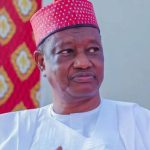

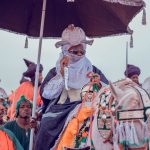


Without doubt, His Royal Highness, Alhaji (Dr) Muhammadu Isah Umaru, stands today as one of the most beloved princes ever to ascend the throne in the history of the Rano Emirate. Long before his coronation as Emir, his name had already been etched in the hearts of his people through his kindness, humility, and deep sense of responsibility.
He is not merely admired—he is genuinely loved. Loved by the young and the old, the rich and the poor, those close to him, and even those who know him only through his good deeds. His reign did not begin with the crown; rather, it began in the hearts of the people who saw in him a rare gem—a prince who listens, cares, and leads with sincerity.
Today, as Emir, that love has only deepened. He continues to rule with compassion, wisdom, and a fatherly disposition that makes every subject feel seen, valued, and protected. Indeed, history will remember him not just as a ruler, but as a symbol of love, unity, and selfless service in Rano.
In a world where many seek power for prestige and privilege, few embrace leadership as a call to serve. Yet, in the historic town of Rano, one royal figure stands out for embodying this rare virtue—His Royal Highness, Muhammadu Isah Umaru, Autan Bawo.
From the very first encounter, one is struck not only by his royal presence but also by his humility. Though tradition places him in a position to be served, the Emir has consistently chosen to serve his people. This uncommon trait distinguishes him as a leader who understands that true greatness lies not in authority, but in responsibility.
Emir Muhammadu Isah Umaru is widely regarded as a man of deep intellect, remarkable courage, and admirable composure. Calm and collected, he carries himself with a natural charisma that reflects both his noble heritage and refined character. His conduct, marked by dignity and grace, portrays the true essence of royalty—firm yet gentle, authoritative yet approachable.
One of his most outstanding qualities is his ability to remain composed under pressure. Those who have interacted with him often speak of his patience and self-control, noting that he is not known to lose his temper, regardless of provocation. His strong sense of discipline, organization, and leadership has become a benchmark within and beyond the Rano Emirate.
Beyond his royal duties, the Emir remains deeply committed to peace and unity. His open-hearted and welcoming nature has earned him widespread respect and affection. He harbors no grudges, envies no one, and continues to serve as a symbol of harmony in a time when such virtues are increasingly rare. He is widely seen as a bridge-builder—one who fosters understanding and strengthens unity across communities.
His journey to the throne further enriches his story. Before ascending as Emir, he served diligently as Village Head of Madachi and later as District Head in both Kibiya and Bunkure—positions traditionally reserved for princes of the Rano Emirate. This rare progression through key traditional roles gave him firsthand experience in grassroots leadership, deepening his understanding of the people’s needs and strengthening his commitment to their welfare.
Today, he brings that wealth of experience into his reign, guiding his domain with wisdom, fairness, and a genuine desire to uplift his people. His leadership is defined not merely by authority, but by purpose—a commitment to promoting peace, encouraging development, and preserving the rich cultural heritage of Rano.
As admirers often say: “Muhammadu ba ka da haushin kowa… Allah ya gajiyar da makiyanka.” This heartfelt prayer reflects the deep affection and goodwill his people have for him—a leader who chooses kindness over conflict and service over status.
Indeed, while every prince dreams of wearing the crown, for Emir Muhammadu Isah Umaru, the crown represents more than power—it is a responsibility. In fulfilling that responsibility with humility and dedication, he has firmly established himself as one of the most respected traditional rulers of his time.
Isyaku Ila Ahmadu (Magaji) writes this piece from Findi Quarters, Rano, Kano State.
