

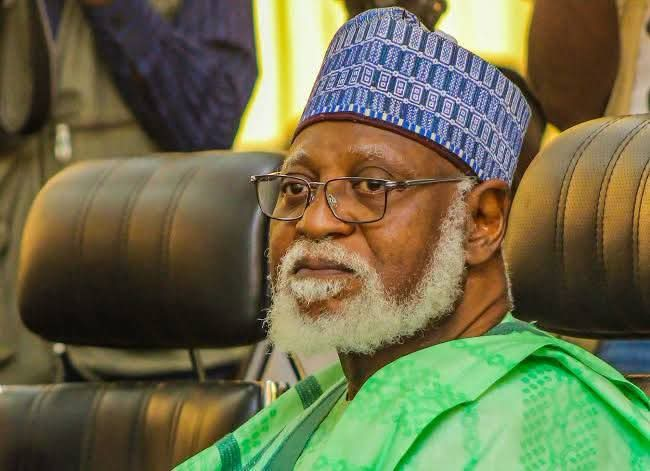
Nigeria’s former Head of State, General Abdulsalami Abubakar, has been featured in an advertisement by an Indian hospital where he underwent knee replacement surgery.
Krishna Shalby Hospital in Ahmedabad released a video showing Abdulsalami receiving treatment and undergoing rehabilitation at the facility.
The video, which has circulated on social media, also showed the former leader walking during his recovery.
The hospital said Vice President Kashim Shettima visited the facility and met with its management over Abdulsalami’s recovery.
In a post on Instagram on Monday, the hospital said the visit reflected “growing trust in India’s healthcare”.
“When patients travel across borders for specialised care, their trust means everything,” it said.
It is not clear whether Abdulsalami’s treatment was funded by the Federal Government.
However, the Remuneration of Former Presidents and Heads of State (and Other Ancillary Matters) Act provides for medical treatment abroad for former Nigerian leaders and their immediate families where necessary, at the expense of the Federal Government.
The law also provides other benefits, including diplomatic passports, security, official vehicles and accommodation.
The 2026 Federal Government budget reportedly allocated N2.3 billion for the entitlements of former presidents, heads of state and their deputies.
The hospital’s decision to use Abdulsalami’s treatment in its promotional material has triggered reactions on social media.
Activist and presidential candidate, Omoyele Sowore, shared the video on X and questioned why Nigerian leaders continue to seek medical treatment abroad.
“This is former Nigerian Head of State, General Abdulsalami Abubakar, being used in a hospital advert after undergoing knee replacement surgery in India,” Sowore said.
He also questioned why former leaders who had opportunities to improve Nigeria’s healthcare system still rely on foreign hospitals.
Lawyer Aloy Ejimafor, in a Facebook post, described the use of Abdulsalami’s image by the hospital as a “diplomatic insult”.
The development has renewed debate over Nigeria’s medical tourism and the treatment of public officials abroad.
In April 2025, the Coordinating Minister of Health and Social Welfare, Muhammad Pate, said Nigeria loses an estimated $2 billion annually to medical tourism.
Pate said the trend was linked to gaps in confidence, access and quality of healthcare services.
“This is not just about stopping medical tourism. It is about building health sovereignty, the ability of a country to care for its own people, develop its institutions, talent, and innovation,” he said.