



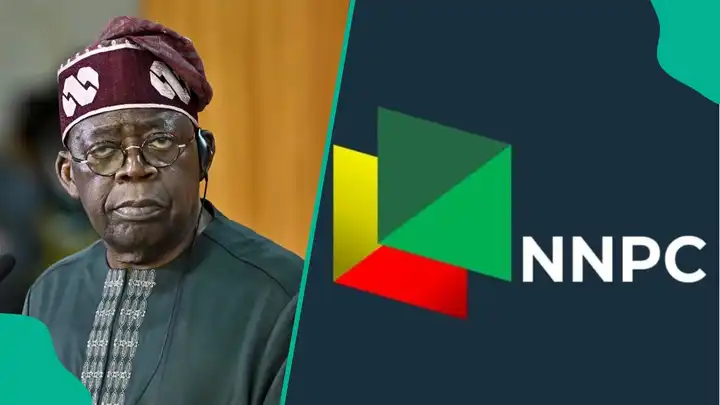
The Federal Government’s announcement of a temporary ₦66-per-litre discount on petrol sold by the Nigerian National Petroleum Company Limited (NNPCL) raises a fundamental question about the direction of Nigeria’s economic reforms: are these reforms genuinely improving citizens’ lives, or are ordinary Nigerians being asked to endure endless hardship while government continues to promise relief?
On October 8, 2026, the Federal Government announced measures to cushion the impact of rising fuel prices, including an arrangement under which NNPCL would forgo its retail profit margin and sell petrol at cost for an initial 30 days. Although the measure offers some relief, its limited scope raises serious questions about whether the government fully appreciates the depth of the economic crisis facing millions of Nigerians.
At petrol prices exceeding ₦1,400 per litre in some locations, a ₦66 reduction represents less than five per cent of the pump price. For a commercial driver, a small business owner, a farmer, or a household that depends on petrol-powered generators, this reduction does little to reverse the enormous increase in the cost of transportation, food, electricity and essential services. Worse still, reports indicate that customers may need to use the NNPC Fuel App and pay digitally to access the discount, creating an additional barrier for people without suitable smartphones or digital payment facilities. A relief programme should be accessible to citizens, not complicated by conditions that exclude some of its intended beneficiaries.
The international context makes the situation even more troubling. Data showed that Nigeria recorded the highest petrol price increase globally in the initial weeks following the outbreak of the US-Israel war with Iran in February 2026. Subsequent figures published in October show that Nigerian petrol prices had risen by 48.1 per cent between February 23 and August 31, placing the country fourth globally for petrol price increases. Nigeria also recorded the highest diesel price increase, at 82.7 per cent, over the same period. These figures underscore the disproportionate burden borne by Nigerians during the global energy shock.
Nigeria is an oil-producing country with one of Africa’s largest refineries operating domestically. Yet citizens continue to bear severe fuel-price shocks, with devastating consequences for household purchasing power and business productivity.
Reform cannot be measured exclusively by government revenue, investor confidence, or the reduction of public expenditure. Its legitimacy must also be assessed by its effects on poverty, employment, public services, purchasing power and citizens’ ability to live with dignity. When the costs of reform fall overwhelmingly on ordinary people while relief remains limited and temporary, government must explain how its economic programme is delivering on its promises.
Equally concerning is the recurring perception that public demands for meaningful economic relief receive attention only after hardship becomes politically difficult to ignore. Nigerians have repeatedly called for responsive governance, affordable living costs, improved public services and reforms that work for the majority rather than an elite few. These demands should not be treated as inconveniences or temporary expressions of public frustration. They are legitimate expectations in a democratic society.
The government may argue that the discount is a temporary intervention in response to exceptional international market conditions, and that selling at cost avoids the fiscal burden of restoring a general fuel subsidy. Those arguments deserve consideration. But they do not remove the government’s responsibility to demonstrate that its chosen approach is effective, fair and sustainable.
What Nigeria needs is a comprehensive response: transparent monitoring of petrol prices, measures to prevent unjustified price increases, improved public transportation, targeted and accessible support for vulnerable households, stronger social protection, and wage policies that reflect the realities of the cost of living. Government should also publish clear performance indicators showing who benefits from its interventions, how much citizens save, and what happens when the 30-day arrangement expires.
Ultimately, Nigerians need more than a temporary discount. They need an economic reform programme that places human welfare at its centre, recognises the sacrifices citizens have already made, and distributes the benefits and burdens of reform fairly.
The measure of successful governance is not how convincingly officials explain economic hardship, but how effectively their policies reduce it. Until that becomes the guiding principle of Nigeria’s reforms, even well-publicised discounts will remain inadequate responses to a much deeper crisis of public welfare and confidence.