


By Buhari Abba
The disturbing practice of modern slavery under the guise of domestic work is rife in Kano State and neighboring regions, with young girls being trafficked from rural communities to urban households as housemaids or domestic helpers. Many are subjected to physical, psychological, and sexual abuse, often with little or no pay.
Despite laws designed to protect children, the exploitation persists. Young domestic workers, both boys and girls, perform chores such as cooking, cleaning, and babysitting, frequently under harsh and dehumanizing conditions. Signs of malnutrition, inadequate clothing, and physical injuries are common among these children.
According to the International Labour Organization (ILO), 15 million Nigerian children under the age of 12 are engaged in domestic child labor, which deprives them of education, dignity, and healthy development. Under the National Agency for the Prohibition of Trafficking in Persons (NAPTIP) Act of 2015, employing, recruiting, or harboring children under 12 as domestic workers is a criminal offense punishable by imprisonment.
Poverty remains the main driver, with many parents sending children to work in urban homes to supplement family income. Kano State adopted the Child Rights Act on May 24, 2023, which recognizes anyone under 18 as a child and provides a legal framework to safeguard their rights. Yet, its tangible impact is yet to be felt, as hiring underage maids remains a common practice.
How Children Are Trapped
Research shows that families in rural areas often sell or lease daughters to agents promising employment in the city. Upon arrival, the girls are forced into long hours of labor, face insufficient food, and endure abuse, including sexual harassment. Some are even locked in homes, effectively rendering them slaves.
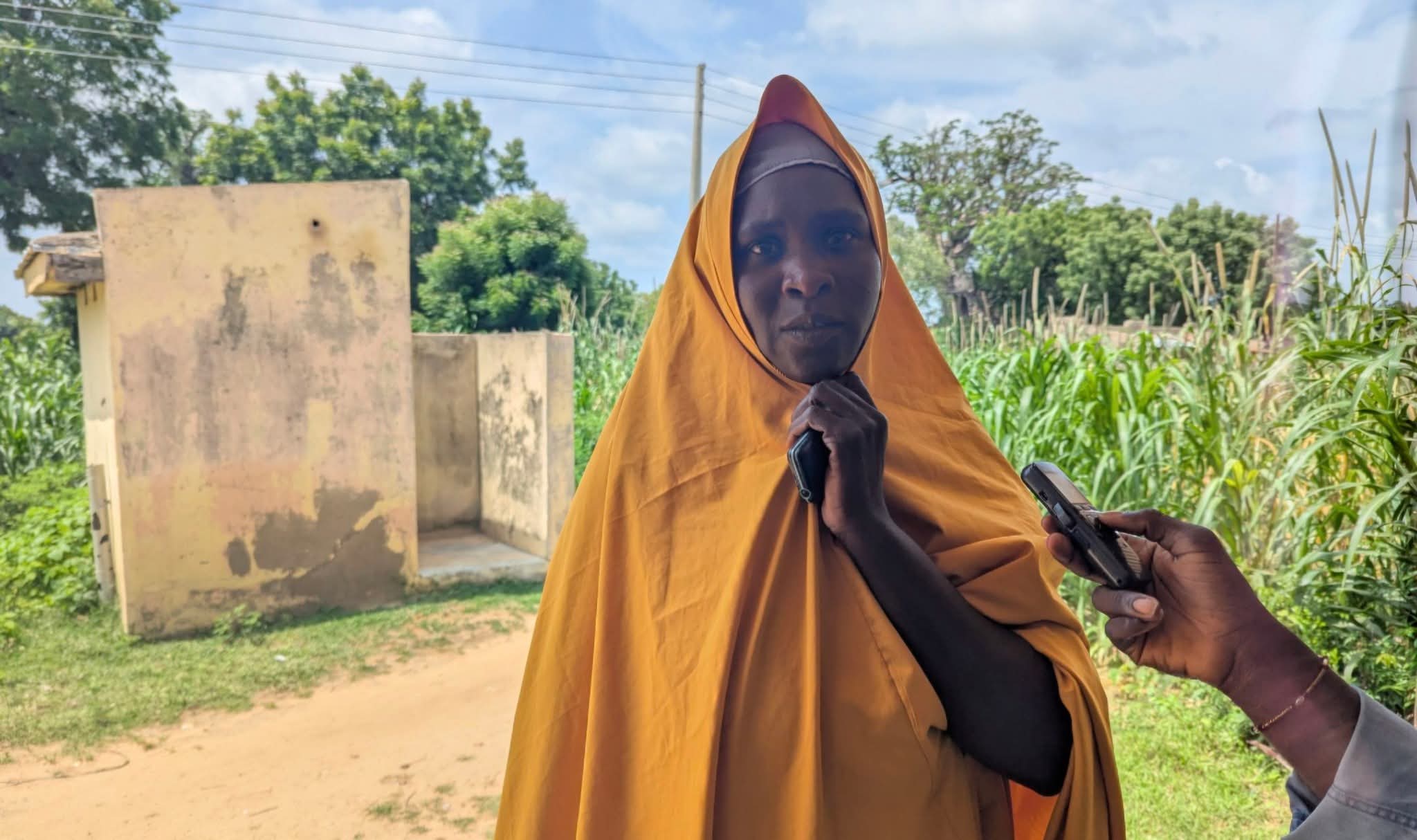
Intermediaries, often women, play a key role in linking children to households. Hari, a woman from Madobi Local Government Area, said, “Primarily, we don’t take the children directly to the homes. Instead, there is a Hajiya (Bintan Labaran) who identifies households in need of domestic assistance. We also rely on acquaintances within the city to learn about opportunities for domestic work. Some even advertise in Kano city to locate women willing to care for children while their parents are unavailable.”
Maryam, a girl trafficked from Rigar-Kuyan area of Madobi to Tudun-Yola in Kano city, recounted her ordeal:
“When I was 8, I was taken to the city (Tudun-Yola) to work as a maid in one household. I was seriously and brutally abused by members of the family. At times, I was beaten severely.”
She added, “I was paid ₦3,500 per month, but the money was not given to me directly; it was submitted to my agent to deliver to my parents.”
By age 16, Maryam had worked in six to seven different houses across Kano, facing continuous hardships.
Parents’ Consent
Some parents willingly send their children for domestic work to secure income. Muna, mother of a girl named Al’haqqatu, said, “If we don’t send them to the city to earn money for their marriage dowries, how else will we proceed? We must send them to secure a future for them.”
Hajara, another mother, added, “My daughter’s earnings cover our food, health expenses, and other needs.”
In many cases, male children are sent for Almajiri education, while female children are sent as housemaids to support the family economically.
Enduring Abuse
Domestic helpers often endure relentless harassment. Paid meagerly, sometimes barely above US$3.40 per month, they remain dependent on agents to deliver their wages. As girls reach adolescence, sexual harassment or abuse becomes more common, with some employers exploiting their authority to coerce them into sexual relationships.
The Kano State Ministry of Women Affairs emphasized, “This activity cannot be curtailed without the cooperation of rural parents, who often act as catalysts by handing their children to agents. Many male parents, unable to provide adequately for large families, send boys for Qur’anic education (Almajiri) and girls as domestic workers to earn their livelihood.”
A Global Challenge
Modern slavery in domestic work is not unique to Kano. The United Nations estimates over 40 million people worldwide live in some form of modern slavery, including forced labor, debt bondage, and forced marriage. Experts say a multi-pronged approach is essential, involving government enforcement, civil society support, community education, and international cooperation.
Efforts should focus on ensuring minimum wages, regulating working hours, safeguarding children from abuse, providing education and economic opportunities, and empowering rural families to reject the practice. Civil society organizations can support victims through counseling, legal aid, and advocacy, while public awareness campaigns target both potential victims and employers.
Modern slavery in the guise of housemaids represents a severe human rights violation demanding urgent attention from governments, communities, and international partners.
This report was supported by Baobab for Women’s Human Rights through its 2023 Media Fellowship on Sexual and Gender-Based Violence, generously funded by the MacArthur Foundation.