

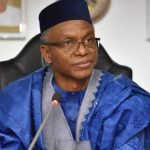

The National Hajj Commission of Nigeria (NAHCON), under the leadership of its Chairman, Professor Abdullahi Sale Usman, is undergoing significant reforms aimed at improving the management of Hajj and Umrah operations in Nigeria. These reforms focus on addressing key challenges, improving efficiency, and ensuring transparency.
One of the key initiatives introduced by Professor Usman is the digitization of the Hajj registration process. Pilgrims can now register online through an integrated platform, eliminating many of the bureaucratic delays previously associated with the process. The platform offers real-time updates on payment statuses, visa processing, and travel arrangements, allowing pilgrims to track their preparations more effectively. This system has also enhanced accountability and reduced incidents of fraud in the registration process.
Professor Usman has taken steps to address the rising costs of Hajj. By negotiating with airlines, service providers, and Saudi authorities, NAHCON has managed to lower the cost of Hajj packages without compromising the quality of services. These efforts aim to make the pilgrimage more accessible to Nigerians from various economic backgrounds.
NAHCON has introduced measures to improve the welfare of Nigerian pilgrims, focusing on accommodation, transportation, and healthcare. Pilgrims now have access to improved housing facilities close to the holy sites, better-organized transportation systems, and well-equipped clinics staffed with trained medical personnel. Emergency response systems have also been strengthened to address health issues promptly during the pilgrimage.
Under Professor Usman’s leadership, NAHCON has fostered stronger collaboration with state pilgrim welfare boards, licensed tour operators, and private sector partners. Regular consultations with these stakeholders have led to more coordinated efforts in addressing challenges and implementing solutions.
NAHCON is set to launch capacity-building programs for Hajj officials and operators. These programs include workshops and training sessions designed to equip personnel with the skills needed to deliver efficient and professional services. The aim is to raise the standard of Hajj operations across the board.
In response to global calls for environmentally friendly practices, NAHCON has introduced sustainability measures within its operations. These include partnerships with Saudi authorities to implement eco-friendly transportation options and waste management programs, ensuring that Nigeria’s Hajj operations align with international environmental standards.
Despite these achievements, challenges remain, including the need for further innovation and expanded partnerships. Professor Usman has emphasized the importance of continuous improvement in service delivery and infrastructure development to maintain Nigeria’s standing in global Hajj operations.
Professor Abdullahi Sale Usman’s leadership represents a shift towards a more efficient, transparent, and sustainable approach to managing Hajj and Umrah. These reforms not only enhance the experience for Nigerian pilgrims but also set a benchmark for excellence in religious tourism management.
