

The recent political turbulence surrounding Senator Natasha Akpoti-Uduaghan is far more than a mere partisan dispute or a personal vendetta; it is a mirror reflecting the systemic oppression and deeply rooted biases that career women across Nigeria continue to face. Strip away the layers of allegations and politics, and what remains is a familiar narrative of how society responds to women who dare to rise.
Senator Natasha’s ordeal is symbolic. It speaks to the unspoken truth that many ambitious and capable women in this country navigate daily: the relentless resistance, subtle sabotage, and overt hostility that greet female success. It is not merely the judgment of her political decisions that is under scrutiny, but her very audacity to dream, to lead, and to succeed in a space many still believe belongs to men.
In Nigeria, a woman’s climb to prominence is rarely celebrated without suspicion. Society is quick to question her virtue, her methods, and her intentions. The insinuation is often the same: “No woman can be successful without compromise.” This pervasive mindset not only diminishes the accomplishments of hardworking women but also reinforces a toxic environment that punishes women for thriving on merit.
Too often, institutions that ought to protect and elevate women end up silencing or sidelining them. From the boardroom to the classroom, from government offices to so-called civil society organizations, women are still treated as ornamental additions ticking the gender quota boxes while being denied real power or autonomy. Many women become tokens—seen but unheard, paraded for optics but excluded from impact.
What is more heartbreaking is the silence—or worse, the complicity—of other women. In a world where we ought to be each other’s strongest allies, too many have absorbed the toxic patriarchal culture and turned it against their own. Not all women support women. Some have become gatekeepers of the very oppression we seek to dismantle.
The emotional toll of such isolation is devastating. Women are blacklisted for speaking up, penalized for being assertive, and shamed for being ambitious. Many walk away not for lack of ability or passion, but because they are exhausted. The mental strain, the continued need to prove oneself, and the lack of genuine support systems create a hostile environment that drives too many away from the careers they love.
True inclusion is not about numbers. It is not enough to have women at the table if they are voiceless, powerless, or tokenized. Institutions—specifically civil society organizations—must ask themselves difficult questions: Are women empowered to make decisions? Are they safe emotionally, mentally, and physically in these workplaces? Are they seen as leaders or merely placeholders?
We must build a new culture—one where the strength and brilliance of women are not seen as threats but as assets. A culture where women are not punished for stepping out of line, but encouraged to draw new lines. Where leadership is not measured by gender, but by impact.
It is high time we stopped begging for a seat at a table that was never designed with us in mind. It’s time we built our own—a table where collaboration replaces competition, where success is not policed but celebrated, and where every woman’s voice carries weight. Because the truth is, we are no longer fighting for permission to exist—we are reclaiming what is ours by right.
To every woman who has ever been silenced, belittled, overlooked, or ostracized: your story matters. Senator Natasha’s experience is not isolated; it is collective. And until we rise together with courage and unity, the structure will remain unshaken.
We cannot wait any longer. The time to stand in solidarity is now. The time to challenge the narrative is now. The time to unlearn internalized biases and champion our sisters is now. Women supporting women is not a trend; it is a necessity. It is survival. It is a revelation.
Let us not merely seek inclusion. Let us lead transformation.
It is now or never!
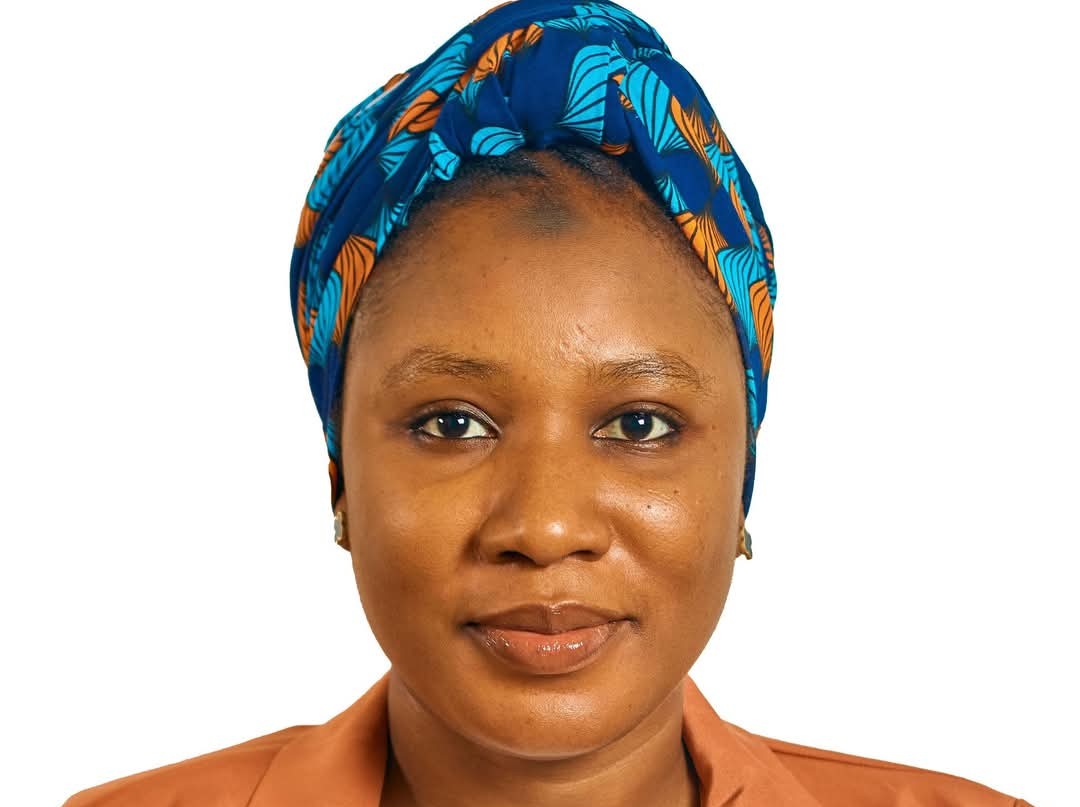
Harira Abdulrahman Wakili is a Gender Advocate. She wrote this piece from Kano, Nigeria.