

Governance, at its most fundamental level, is not a series of isolated decisions. It is a coherent and sustained act of institutional will, expressed through the accumulation of choices that, taken together, reveal the values, priorities, and long-term vision of the leader making them.
Every appointment a governor makes, every vacancy he fills, and every partner he chooses to place beside him at the highest levels of the state’s executive, is a window into his understanding of what governance requires, what his people deserve, and what kind of state he intends to build by the end of his tenure.
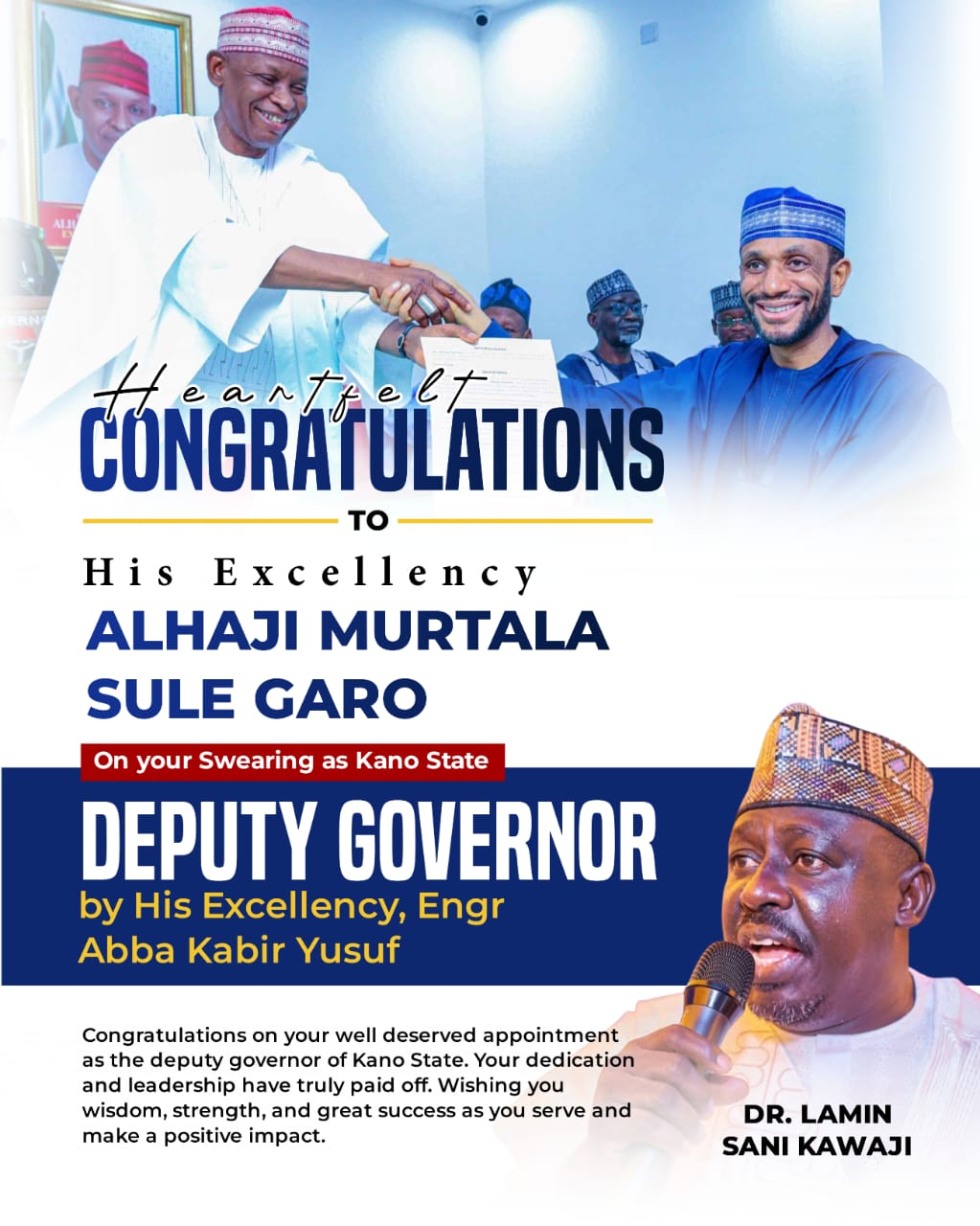
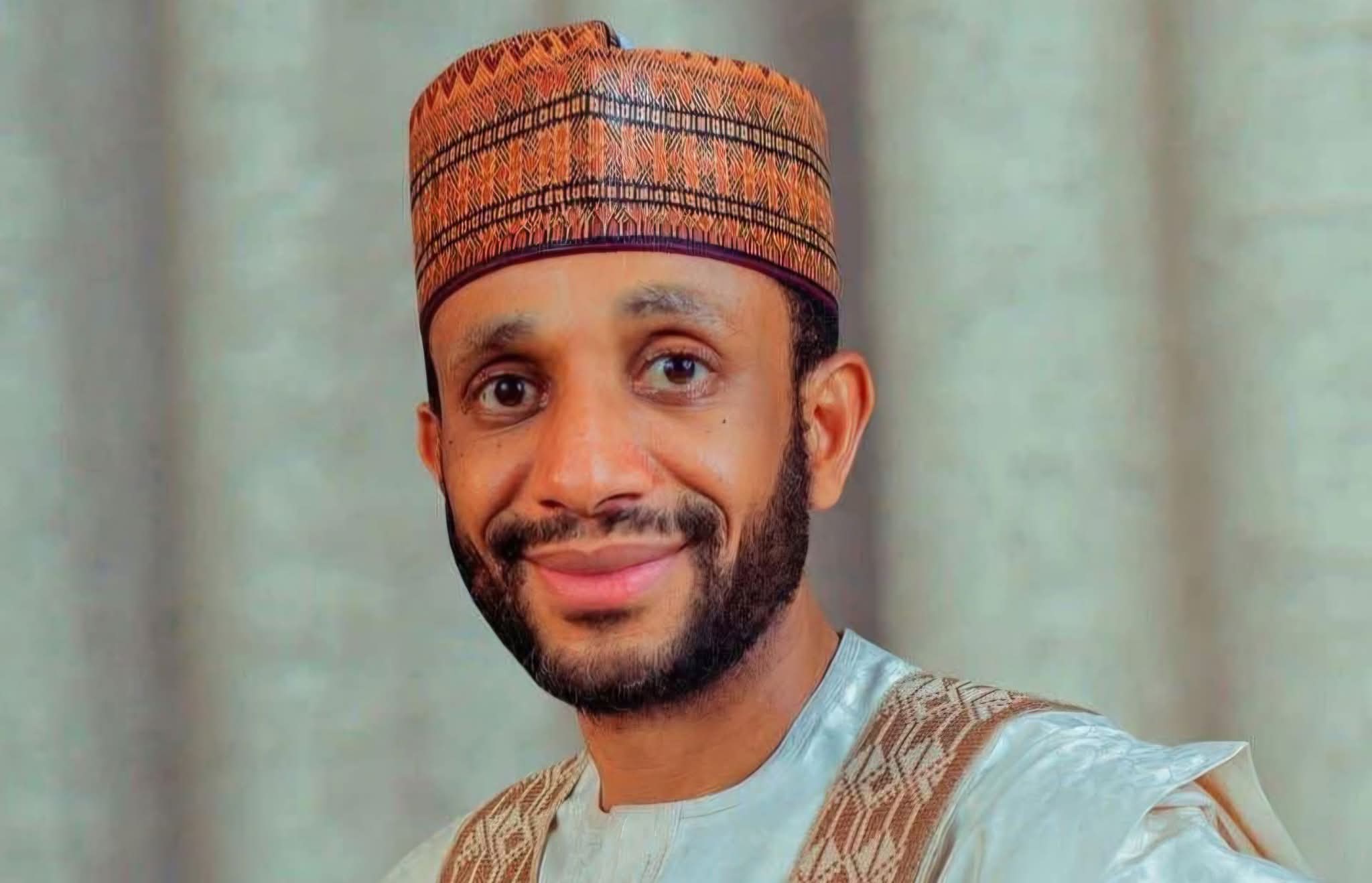
When Governor Abba Kabir Yusuf transmitted the name of Alhaji Murtala Sule Garo to the Kano State House of Assembly on April 22, 2026, for screening and confirmation as Deputy Governor, he opened precisely such a window. What it reveals about his governance vision for Kano is both illuminating and deeply reassuring.
The context in which this nomination was made is inseparable from its meaning. Kano’s political space had been in active turbulence for months, shaped by the consequences of Governor Yusuf’s defection from the New Nigeria Peoples Party (NNPP) to the All Progressives Congress (APC), the resignation of former Deputy Governor Abdussalam Gwarzo on March 27, 2026, amid impeachment proceedings triggered by disagreements over party affiliation, and the intense public debate about loyalty, identity, and political direction across the state.
In the midst of that turbulence, a lesser political leader might have been tempted to make a hasty appointment, filling the vacancy quickly with a figure whose primary qualification was political convenience rather than governance competence. Governor Yusuf chose a different path entirely. He took his time, consulted widely, thought carefully, and arrived at a nomination that reflects not the pressures of the moment, but the demands of the long term.
That choice—deliberate and consultative rather than reactive and expedient—is itself a governance statement.
It shows that this administration understands the difference between managing a political crisis and building a governance legacy. It also shows that the vacancy created by Gwarzo’s departure was not merely a constitutional inconvenience, but a governance challenge requiring strategic thought and stakeholder engagement. Most importantly, it indicates that the choice of a deputy governor was guided not by immediate political gains, but by long-term governance priorities.
Murtala Sule Garo brings to this moment a profile suited to three key governance imperatives: stability, continuity, and consolidation. These are not abstract concepts; in the context of Kano State in April 2026, they are urgent and measurable requirements.
Stability
Stability means restoring a fully constituted and functionally coherent executive capable of managing the complex demands of governing Nigeria’s most populous state without institutional gaps or distractions. Garo’s nomination directly addresses this need.
His reputation as a calm, strategic, and calculated political actor, his ability to navigate complex political environments without unnecessary friction, and his established relationships across Kano’s 44 local government areas position him as a stabilising presence in the executive.
In a political environment shaped by competing interests and constant negotiation, a deputy governor with strong consensus-building capacity and cross-factional credibility is not just useful—it is essential.
Continuity
Continuity means the uninterrupted implementation of the development agenda being pursued since May 2023 under the “Kano First” philosophy. This agenda includes a N1.477 trillion 2026 budget with 68 percent allocated to capital projects, major investments in education that contributed to Kano’s strong performance in the 2025 NECO results, women and youth empowerment programmes reaching thousands of beneficiaries, agricultural interventions including fertiliser distribution and mini-dam approvals, and expanded security structures through neighbourhood watch initiatives.
All of these programmes require sustained executive coordination and institutional alignment. A deputy governor with a record of administrative discipline and local government engagement strengthens that continuity.
Garo’s experience as Commissioner for Local Government and Chieftaincy Affairs is particularly relevant. Since most government interventions are implemented through local government structures, his deep understanding of grassroots administration, traditional institutions, and community engagement across all 44 LGAs makes him well-positioned to ensure effective delivery of government programmes.
Consolidation
Consolidation refers to strengthening the APC political structure in Kano, expanding stakeholder engagement, and building a durable coalition capable of sustaining governance and electoral competitiveness.
This is where Garo’s profile is most politically significant. His role as APC deputy governorship candidate in 2023, his grassroots mobilisation across all 44 local government areas, and his strong ties with party structures, traditional leaders, youth groups, and community organisations make him a key asset in deepening political cohesion.
The public reaction to his nomination has further reinforced this point. The spontaneous celebrations across parts of Kano metropolis, and the visible enthusiasm expressed by residents, reflect public confidence in the decision. This response is not merely political excitement; it reflects a sense of reassurance that leadership decisions are being made with clarity and strategic intent.
That confidence is itself a governance outcome. A population that trusts its leadership is more likely to support government programmes, engage with reforms, and sustain patience for long-term development efforts.
In conclusion, the nomination of Murtala Sule Garo reflects a governor who is deliberate, strategic, and focused on long-term governance outcomes. Stability, continuity, and consolidation are not just political slogans in this context—they are emerging as defining principles of governance in Kano State under Governor Abba Kabir Yusuf.
Under this approach, Kano is being positioned, with clear intent, toward a more structured and sustainable governance future.
Aliyu Mohammed Idris, PhD
President, Northern Youth Assembly
Hafiz Abubakar, PhD
Secretary General, Northern Youth Assembly
23rd April, 2026