

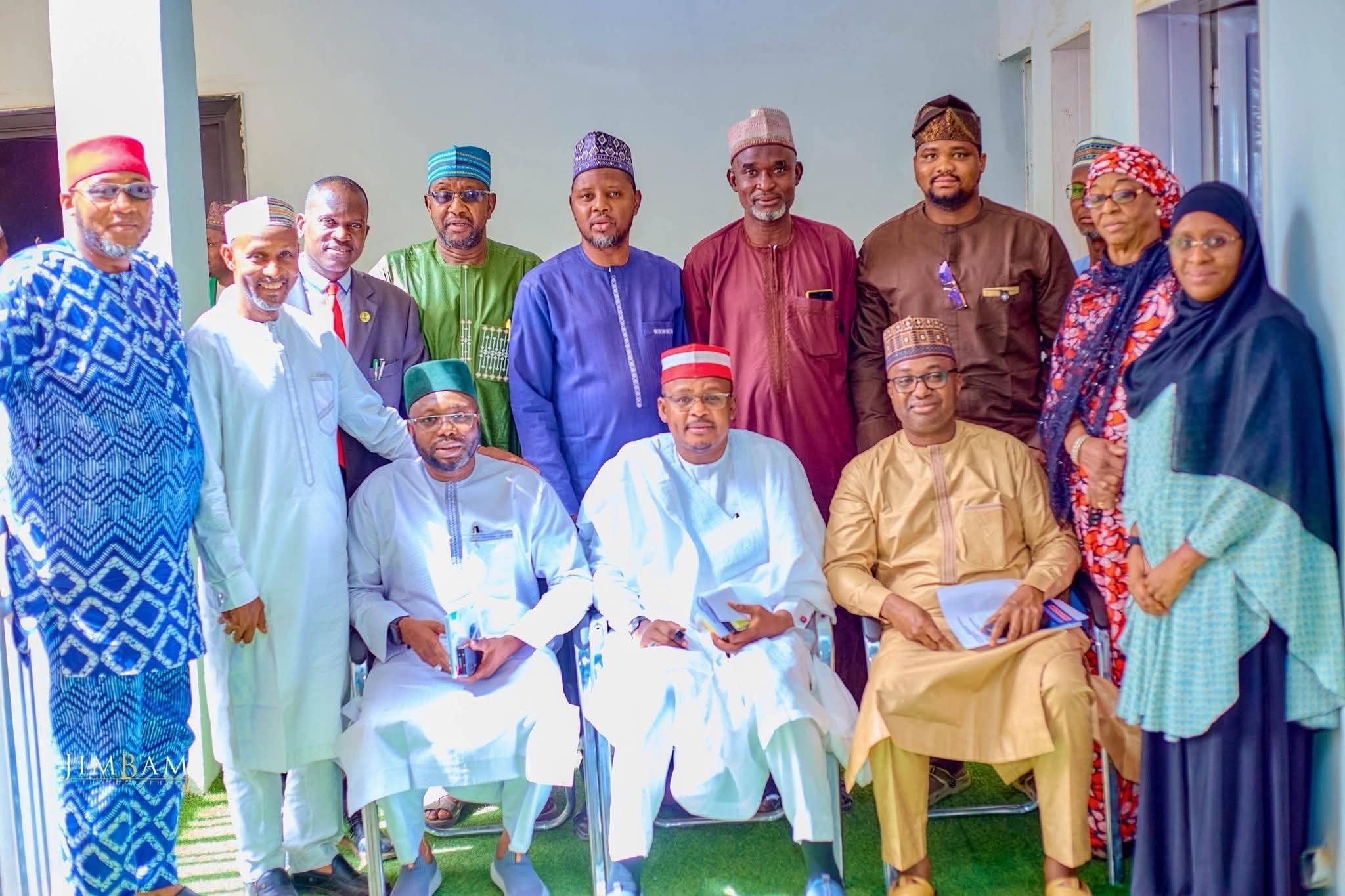
A coalition of 23 Civil Society Organisations (CSOs) in Kano State has raised concerns over the ongoing process for the election of non-state actors into the State Open Government Partnership (OGP) Steering Committee, calling for urgent reforms to ensure transparency, inclusivity and credibility.
The group, operating under the League of Civil Society Organisations in Kano State, issued its position in a statement on Sunday titled “Open Governance or Closed Doors?”
The coalition, while acknowledging government efforts to strengthen transparency and accountability, said the proposed election guidelines required technical review.
The statement read in part: “We commend the State Government’s commitment to institutionalising transparency, accountability, and citizen participation, we find it necessary to provide a critical technical review of the proposed election procedures.”
The CSOs, however, identified what they described as “significant procedural gaps” in the process, warning that failure to address them could compromise the credibility of the exercise.
A major concern raised was a perceived conflict of interest in the screening arrangement, noting that the OGP Secretariat under the Ministry for Public Procurement, Projects Monitoring and Evaluation should not be the sole body responsible for vetting civil society participants.
The group stated: “Under Global OGP Standard 1.1, the selection of Civil Society representatives must be fair, transparent, and led by Civil Society.”
It added that allowing a government-run secretariat to screen civil society actors could create perceptions of bias, and called for an independent selection committee.
The coalition also criticised the requirement for physical submission of applications at the ministry, describing it as restrictive and likely to exclude grassroots organisations in remote areas.
“The requirement for physical submission… presents a significant barrier to participation, particularly for Community-Based Organisations in distant Local Government Areas such as Doguwa and Tudun Wada,” the statement said.
It recommended digital submission options, including an online portal or official email system, to widen access.
On the proposed voting method, the CSOs expressed concern over the use of open ballot or show of hands, warning it could expose participants to intimidation.
“While consensus-building is commendable, a show of hands in a competitive electoral process may expose voters to undue influence, intimidation, or conformity pressures,” the group stated, urging adoption of a secret ballot system.
The coalition also faulted the inclusivity framework, particularly provisions on gender and disability representation.
It called for “a minimum 35% quota for women-led organisations; and a reserved seat for Persons with Disabilities (PWDs)”.
On eligibility criteria, the group said the “non-partisan” requirement was vague and open to manipulation, recommending clearer political restrictions and mandatory conflict-of-interest declarations.
The CSOs further proposed extending the nomination deadline, setting up an independent selection panel, and introducing a transparent scoring system for candidates.
It stated: “The legitimacy of the incoming Steering Committee rests not on the outcome of the election, but on the integrity of the process.”
The group warned that the global OGP community was watching developments in Kano, urging authorities to avoid what it described as a “check-the-box exercise.”
The statement was signed by 23 organisations, including Wuro Development Concerns, Centre for Human Rights and Social Advancement, African Centre for Innovative Research and Development, and Campaign for Democracy, among others.