


Former Vice President Atiku Abubakar has urged President Bola Tinubu to address the root causes of Nigeria’s rising cost of living, saying palliatives cannot substitute for sound economic policies.
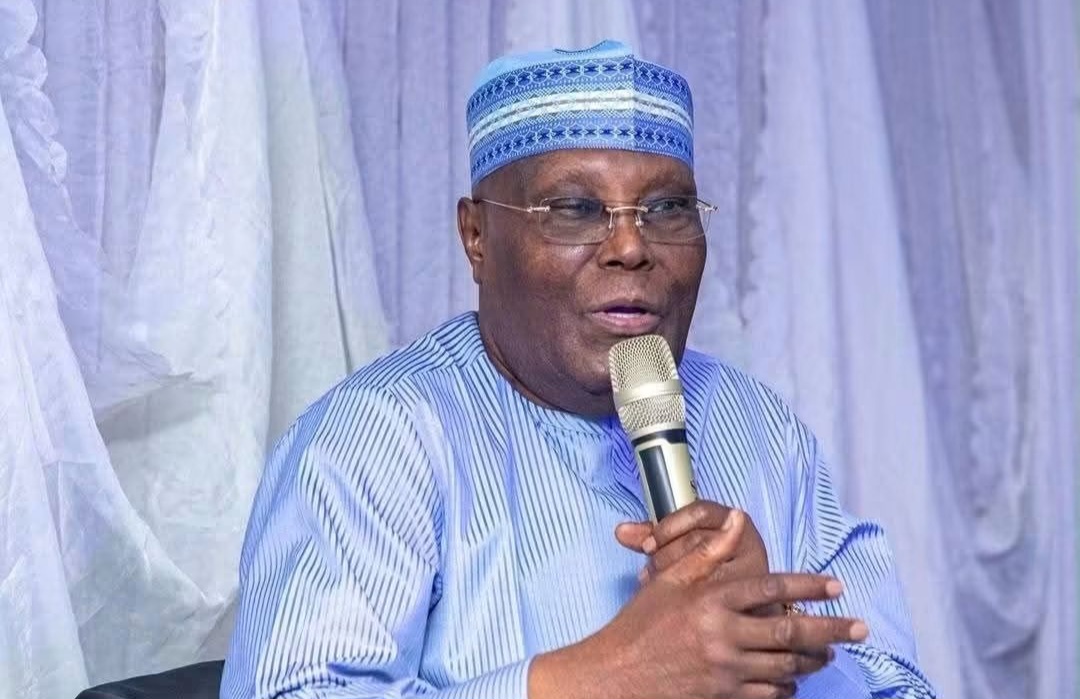
Atiku, the presidential candidate of the African Democratic Congress (ADC), made the call at a news conference in Abuja on Friday on fuel prices, palliatives and the cost of living.
He said Nigerians continued to bear the impact of petrol subsidy removal, with rising energy costs affecting transportation, food production, farming, manufacturing and household expenses.
“When government makes energy expensive, it makes life expensive,” Atiku said.
He said the success of economic reforms should be measured by their impact on the purchasing power of ordinary Nigerians, rather than only by increased government revenue or economic growth.
“Economic growth must enter the home. It must enter the market basket. It must show up in the purchasing power of the worker,” he said.
According to him, palliatives could provide temporary relief but could not address the underlying causes of rising costs.
“Palliatives manage pain. Good policy addresses the source of the pain,” he said.
Atiku also urged the Federal Government to reconsider its plan to phase out electricity subsidies from 2027, warning that higher electricity costs could further increase the burden on households and small businesses.
“Do not remove first and think later. Do not impose the pain first and search for palliatives afterwards,” he said.
The former vice president said he was willing to make his policy proposals available to the Tinubu administration if they could help reduce the economic burden on Nigerians.
He also outlined his proposed approach to petroleum subsidy if elected president in 2027, saying the support would target petroleum products refined in Nigeria.
According to him, imported petroleum products would not qualify for the proposed scheme, which would have a fixed spending limit, National Assembly approval and independent audits.
Atiku said the policy would reduce domestic production costs, make fuel more affordable and encourage local refining and employment.
He said the priority should be reducing the cost of essential goods and services for Nigerians, regardless of who introduced the policy.