


Many Nigerians have complained about bad leadership, corruption, nepotism, inflation, subsidy issues and poor infrastructure from the First Republic to the present.
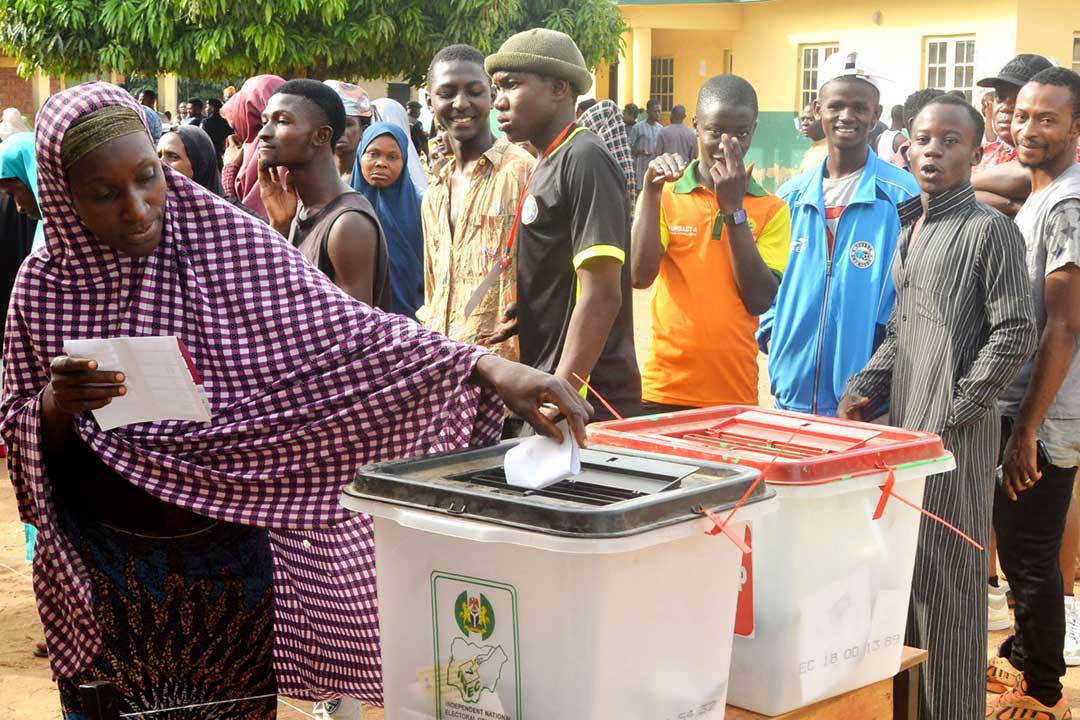
But how can Nigerians get the government they want through democracy? The answer is simple: by voting for the candidates they believe can deliver good governance.
The problem is that many Nigerians do not vote, even though they have Permanent Voter Cards (PVCs). Yet, they are quick to criticise governments in power. This has made many people pessimistic about the country and its leaders.
The question, therefore, is whether Nigerians will come out to vote in the 2027 elections.
During the 2023 presidential election, about 94 million people were registered to vote, but only 24,025,940 cast their ballots for presidential candidates.
The INEC Chairman, Prof. Joash Amupitan, recently announced that Nigeria has 103 million registered voters, making it the largest democracy in Africa.
But will Nigerians come out in large numbers to vote for presidential and other candidates of their choice in 2027, or will they stay at home and continue to blame leaders for failing to improve their lives?
At present, the APC and President Bola Ahmed Tinubu appear to be making efforts to mobilise supporters ahead of the 2027 elections. Other political parties should also intensify their mobilisation efforts and encourage their supporters to vote.
Those complaining about bad leadership and poor governance must move beyond criticism and participate actively in the electoral process.
Nigerians should come out and vote rather than stay at home and, after the results are announced, take to social media to complain about rigging, vote-buying and other electoral malpractices.
The destiny of Nigerians is in their hands. They must use their votes to choose the leaders they want because voter apathy will still produce leaders, even when the majority choose not to vote.
Chaji Wrote from Kano.