


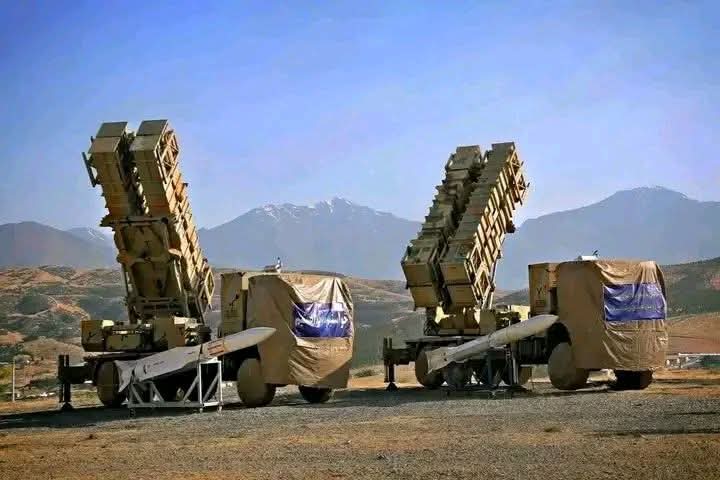
War is often glorified as a means of resolving conflicts, but the reality is far from heroic. Behind the headlines and propaganda, a tragic narrative unfolds—one that disproportionately affects those who are forced to fight and those who are simply caught in the crossfire. They are neither the producers of missiles and bombs nor the scientists who invent these destructive tools. Civilians are helpless, unconsulted, and accidental victims who bear the cost of hostile decisions made by powerful actors.
Soldiers, often conscripted or coerced, are sent to the frontlines to risk their lives for causes they may not fully understand. Their stories are rarely reported, and their sacrifices are frequently overlooked. While leaders who initiate wars enjoy privileges—including seeking asylum for their safety and securing shelters far from the enemies they helped create—soldiers confront death and uncertainty. In the end, those leaders claim credit for “heroic victories,” while the real battlefield heroes are left out of the history books. They are neither mentioned nor properly acknowledged. Meanwhile, civilians—women, children, and the elderly—bear the brunt of the violence, with their homes destroyed, their lives shattered, and their loved ones brutally murdered or displaced.
These are the unseen victims of war. They are not the politicians who declare conflicts, nor the generals who strategize. They are the innocent, the vulnerable, and the voiceless—people who simply want to live in peace. Their voicelessness drowns out their cries, diverts attention from their calls for a ceasefire, and reduces them to instruments of manipulation by ruling elites.
This imbalance is often enshrined in the constitutions of many modern states, which empower a single individual or a small group with Commander-in-Chief authority. For example:
In the United States (Article II, Section 2 of the Constitution), the President is the Commander-in-Chief of the Armed Forces.
In Nigeria (Section 130(2) of the 1999 Constitution), the President is the Commander-in-Chief of the Armed Forces.
In India (Article 53 of the Constitution), the President is the Supreme Commander of the Defence Forces.
In China (Article 93 of the Constitution), the President serves as Chairman of the Central Military Commission.
In Russia (Article 87 of the Constitution), the President is the Supreme Commander-in-Chief of the Armed Forces.
In Saudi Arabia (Article 60 of the Basic Law of Governance), the King is the Commander-in-Chief of the Armed Forces.
In Iran (Article 110 of the Constitution), the Supreme Leader is the Commander-in-Chief of the Armed Forces.
This authority empowers designated officeholders to make decisions that determine life and death. Consequently, the most vulnerable members of society have little or no opportunity to influence decisions that profoundly affect their lives.
The international community must do more to protect these groups. Governments and organizations should prioritize humanitarian law, hold perpetrators accountable, and support those affected by conflict.
War is not merely a clash of ideologies; it is a human tragedy. Wars bring death and lifelong injuries, displace defenseless populations, separate families, destroy infrastructure, undermine educational development, disrupt healthcare services, divert resources from development, promote intolerance and unnecessary hatred, and ultimately dehumanize people.
In the end, the architects of conflict often come to realize that fighting and killing solve no problems. Leaders who opt for war eventually discover that their decisions are costly and unsustainable. They then begin to call for peace and roundtable talks. The question remains: if the ultimate resolution lies at the negotiating table, why not choose dialogue from the outset? Instead of fostering provocative relationships, why not embrace love, peace, and mutual partnership? After all, we are not on earth forever—why should leaders leave behind legacies of war and destruction?
In conclusion, war’s devastating impact on civilians and soldiers underscores the urgent need to rethink our approach to conflict resolution. The international community must prioritize the protection of human life, promote diplomacy, hold leaders accountable for their actions, and empower citizens with greater decision-making power. Ultimately, it is time for leaders to choose peace over war and work toward a more compassionate world.
Kawu A. Sule writes from the Department of Sociology, Bayero University, Kano.